




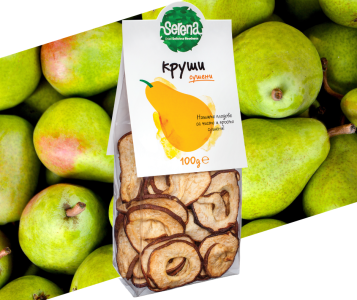
Aromatic, pleasantly sweet, and incredibly versatile, dried pears are a traditional product that deserves more attention. They combine the distinctive flavor of ripe fruit with the convenience of being available for use all year round. Beyond serving as a delicious fruit snack, dried pears are a wonderful ingredient for homemade desserts, compotes, baked goods, and even savory dishes. As the Christmas holidays approach, they also find another interesting use: in the creation of natural Christmas decorations, garlands, *survachki* (traditional festive wands), and other holiday ornaments. Let’s explore the benefits of dried pears and discover some interesting and practical ways to use them. What nutrients do dried pears contain? During the drying process, much of the water is removed from the fruit, resulting in a higher concentration of natural sugars, dietary fiber, and minerals per 100 grams of the product. Dried pears are a source of: Fiber – contributes to the proper functioning of the digestive system and promotes a feeling of fullness. Potassium – an essential mineral for normal muscle function and the maintenance of healthy blood pressure. Copper – plays a role in normal energy metabolism and the functioning of the nervous system. Natural carbohydrates – provide energy and give the fruit its characteristic sweet taste. The benefits of dried pears – why should you include them in your diet? 1. They support healthy digestion Thanks to their dietary fiber content, dried pears can be part of a balanced diet that supports normal bowel function. Fiber also contributes to a longer-lasting feeling of fullness. 2. They provide energy throughout the day The natural carbohydrates in dried pears make them a convenient snack. They are perfect for the office, school, traveling, or a walk in nature. 3. They contain valuable minerals Dried pears contain potassium and copper—minerals that play a role in various normal physiological processes within the body. 4. They add natural sweetness to homemade desserts With their pleasant fruity flavor, dried pears can replace some of the added sugar in certain recipes. They pair excellently with cinnamon, vanilla, chocolate, and nuts. It is important to remember that the drying process concentrates the natural sugars, so it is advisable to consume them in moderation. How can you use dried pears in the kitchen? One of the greatest advantages of dried pears is their versatility. They can be incorporated into both traditional Bulgarian recipes and modern culinary creations. Dried pears for breakfast – a delicious start to the day Add chopped dried pears to oatmeal, yogurt, homemade granola, or chia pudding. The combination of dried pears, walnuts, honey, and cinnamon is particularly delicious, blending fruity sweetness, a nutty flavor, and a pleasant aroma. You can also incorporate them into homemade energy bars, muesli, or whole-grain pancakes. Dried Pears in Pastries and Baked Goods Dried pears make an excellent addition to homemade desserts. They provide a fruity flavor, sweetness, and an interesting texture. Try using them in: Homemade cake with dried pears and walnuts. Oatmeal cookies with pears and cinnamon. Fruit pie with apples and dried pears. Chocolate muffins with dried fruit. Homemade cookies with nuts and honey. Culinary Tip: If the dried pears are on the firm side, soak them in warm water for 10–15 minutes before adding them to the batter or dough. This will soften them and make them easier to distribute evenly throughout the mixture. Traditional *Oshav* and Aromatic Winter Drinks Dried pears are a classic ingredient for making *oshav*—a traditional dried-fruit compote often served on the Bulgarian table on Christmas Eve. Combine dried pears, apples, and plums with water, cinnamon, and a few cloves. Simmer over low heat for about 20–30 minutes, until the fruit softens and the drink develops a rich aroma. The result is a delightfully fruity beverage that can be served either warm or chilled. Dried Pears in Savory Dishes – An Unexpectedly Delicious Combination Although we most often associate them with sweet recipes, dried pears can also be an interesting ingredient in savory cooking. They pair wonderfully with: Roast pork with herbs and walnuts. Chicken with a honey-mustard sauce. Salads featuring arugula, blue cheese, and nuts. Festive cheese and dried fruit platters. Their natural sweetness creates a pleasant contrast with savory and piquant flavors. Dried Pears for Christmas Decor – Beautiful, Natural Decorations Did you know that dried pears can be more than just a tasty treat—they can also serve as a unique element of your holiday decor? As Christmas approaches, more and more people are opting for natural materials to decorate their homes. Dried fruits add warmth, coziness, and an authentic feel, and dried pears are particularly well-suited for handmade ornaments. 1. Christmas Garlands Made from Dried Fruit
Post comment