




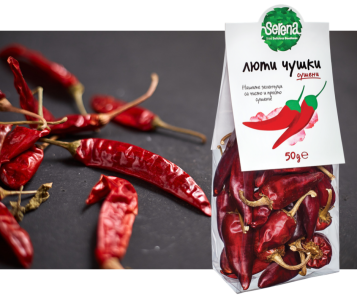
Dried hot peppers are a favorite seasoning for anyone who loves spicy food and bold flavors. They add character to dishes, enhance the aroma of other ingredients, and allow for easy control over the level of spiciness. Beyond their culinary qualities, dried hot peppers contain beneficial plant compounds, vitamins, and antioxidants, making them a valuable addition to a varied diet.
In this article, we will explore the key benefits of dried hot peppers, their nutritional content, and how to use them to bring more flavor and aroma to your favorite recipes.
What do dried hot peppers contain?
Dried hot peppers are a concentrated product obtained by removing most of the water from fresh peppers. This intensifies their flavor and aroma, while also increasing the concentration of nutrients relative to their weight.
Some of their most important components include:
Capsaicin – the natural compound responsible for the characteristic heat of the peppers.
Vitamin A and carotenoids – substances that help maintain normal vision and skin health.
Vitamin C – an antioxidant, the levels of which can decrease significantly during the drying process.
Vitamin E – contributes to protecting cells from oxidative stress.
Antioxidants – various plant compounds, including carotenoids and polyphenols. Minerals – depending on the variety and processing method, peppers contain small amounts of potassium and other minerals.
The exact nutritional composition depends on the variety, the ripeness of the peppers, and the drying technology used.
7 Benefits of Dried Hot Peppers
1. They contain capsaicin, which has interesting properties
Capsaicin is the substance responsible for the sensation of heat and spiciness experienced when consuming hot peppers. It is one of the most extensively studied plant compounds due to its interaction with nerve endings and the mechanisms involved in sensing pain and heat.
In the context of nutrition, capsaicin is also of interest for its potential impact on energy expenditure and metabolism. However, these effects are generally modest, and consuming hot peppers alone does not lead to significant weight loss.
2. They provide antioxidants
Dried hot peppers contain various antioxidant compounds that help protect cells from oxidative stress. These include carotenoids and certain polyphenols.
Oxidative stress occurs when the production of free radicals exceeds the body's capacity to neutralize them. Consuming a variety of plant-based foods, including peppers, can help ensure the body receives an adequate supply of antioxidants. 3. They can support normal energy metabolism
Capsaicin is being studied for its potential to influence thermogenesis—the process by which the body produces heat and expends energy.
Although some studies indicate a minor effect on energy expenditure, dried hot peppers are not a weight-loss solution. They can, however, be part of a balanced diet, especially when used to add flavor instead of excessive amounts of salt or fatty sauces.
4. They add significant flavor in small quantities
One of the most practical advantages of dried hot peppers is their potency. Even a small amount can transform the flavor of an entire pot of soup, sauce, or stew.
This allows for the enhancement of dishes with intense flavor and spiciness, without the need for large quantities of seasonings. It is important to note, however, that the level of heat depends on the variety and can vary significantly.
5. They contribute to the intake of plant-based nutrients
Peppers contain carotenoids and other bioactive compounds that are part of their natural nutritional profile. During the drying process, some substances are preserved, while others—particularly vitamins sensitive to heat and oxygen—may decrease.
Therefore, while dried hot peppers are a beneficial addition to a varied diet, they should not be considered a substitute for fresh vegetables. 6. Suitable for a wide variety of dishes
Dried hot peppers can be used in far more recipes than one might imagine. They are well-suited for bean dishes, lentils, meat, vegetable-based sauces, soups, marinades, and homemade spice blends.
Beyond just heat, they impart distinct flavor nuances depending on the variety—ranging from fruity and slightly sweet to smoky and intensely pungent. In this way, a single spice can transform the character of a dish and make its flavor truly memorable.
7. Easy to store and long-lasting
When dried and stored correctly, hot peppers can retain their qualities for an extended period. They are easy to keep on hand, ensuring you have a spicy seasoning available all year round.
For the best results, store them in an airtight container in a cool, dry, and dark place—away from moisture, direct sunlight, and strong odors.
How to use dried hot peppers in the kitchen?
Dried hot peppers are incredibly versatile; they can be added to traditional Bulgarian recipes as well as dishes from various cuisines around the world.
Post comment