




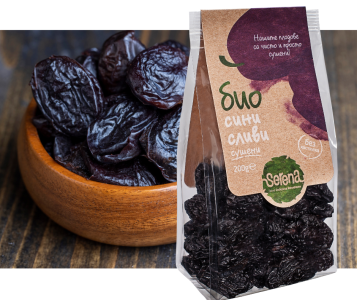
Dried plums are much more than just a sweet fruit snack. They combine a rich fruity flavor, natural sweetness, and valuable nutrients, making them a wonderful addition to a varied daily diet. Thanks to their convenient form and long shelf life, they are perfect both as a quick snack between meals and as an ingredient for preparing a variety of sweet and savory dishes.
But what makes dried plums so special, and why are they worth keeping in your kitchen?
1. A natural source of fiber for good digestion
One of the best-known benefits of dried plums is their fiber content. They support the normal functioning of the digestive system and can be helpful for those prone to constipation. Dried plums also contain sorbitol—a naturally occurring sugar alcohol with an osmotic effect—which contributes to their mild laxative properties. It is this combination of fiber and sorbitol that makes them a popular choice for people looking to maintain regular bowel movements through their diet. It is important to consume them in moderation, as eating too many can cause bloating and gas.
2. Support for bone health
Few people associate dried plums with bone strength, yet this fruit is also noteworthy in this regard. It provides vitamin K, potassium, and other micronutrients that play a role in the normal physiological processes related to bone tissue. Some scientific studies, particularly those involving postmenopausal women, indicate that regular consumption of prunes (dried plums) may have a beneficial effect on certain markers of bone health. While this does not mean they can replace medical treatment or a varied diet, they serve as an interesting example of how an ordinary food can offer additional benefits.
3. Antioxidants for Cell Protection
Prunes contain polyphenols—plant compounds with antioxidant properties. These play a role in protecting cells against oxidative stress, which occurs when there is an imbalance between free radicals and the body’s antioxidant defenses. Antioxidants are an essential component of a varied diet that includes fruits, vegetables, nuts, and whole grains. Prunes offer a convenient way to incorporate another plant-based food into this mix.
4. Natural Energy for a Busy Daily Life
When your day is packed with tasks, you might often reach for sweets or packaged snacks. Prunes are a practical alternative, as they contain natural sugars that provide energy. Because much of the water is removed during the drying process, the nutrients and sugars in prunes become more concentrated compared to fresh plums. Consequently, a small portion is usually sufficient for a snack. For a more satisfying snack, try combining prunes with raw nuts, rolled oats, or yogurt. This way, you get a variety of nutrients and diverse flavors in one simple combination.
5. Potassium for normal muscle function
Potassium is a mineral involved in maintaining normal blood pressure and ensuring the proper functioning of the muscles and the nervous system. Prunes contribute to your potassium intake and can be part of a diet rich in a variety of plant-based foods. However, they are not a universal remedy for muscle cramps or high blood pressure. For individuals with kidney disease or those on a potassium-restricted diet, the amount consumed should align with medical advice.
6. Less added sugar in homemade desserts
One of the most interesting uses for prunes is as a natural sweetener in home cooking. Thanks to their soft texture and rich flavor, they can be pureed and used in various recipes. Try adding chopped prunes to oatmeal cookies, homemade snack bars, raw desserts, or cakes. In some recipes, the amount of added sugar can be reduced without sacrificing a pleasant level of sweetness. It is important to keep in mind that prunes also contain sugars. Their advantage is that, in addition to sweetness, they provide fiber, minerals, and other natural plant compounds.
7. A surprisingly good pairing with savory dishes
Prunes aren't just for desserts. Their sweet-and-sour flavor pairs wonderfully with meat, roasted vegetables, and certain grains.
You can use them when preparing:
Roast pork with prunes and aromatic spices. Chicken with onions, prunes, and a light sauce. Whole-grain rice with nuts and chopped dried fruit. Salads featuring spinach, walnuts, cheese, and prunes. Homemade fruit sauce to serve with roasted meats.
When cooked, the prunes soften and infuse the dish with a rich, fruity flavor. This is an easy way to add variety to familiar recipes without needing complex ingredients.
How many prunes should you consume?
The appropriate amount depends on your individual needs, dietary regimen, and digestive tolerance. As a practical starting point, you might try about 30g per day and see how you feel. Since prunes are a concentrated source of energy and contain sorbitol, it is best to increase your intake gradually—especially if you are not accustomed to consuming high-fiber foods.
Prunes: A small change that adds big flavor to your menu
Prunes offer a combination of convenience, natural sweetness, and nutritional value. They can support healthy digestion, contribute to your intake of fiber, potassium, and vitamin K, and add variety to both snacks and main courses. Whether you add them to your morning oatmeal, use them in a homemade dessert, or experiment with a recipe for roasted meat, prunes are an easy way to bring more variety to your daily diet. Explore the possibilities offered by dried fruits and discover your favorite way to enjoy their rich, intense flavor!
Post comment