




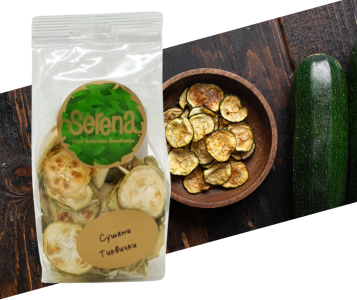
Dried zucchini offer a practical way to enjoy one of summer's favorite vegetables all year round. Thanks to the drying process, they take up little space, are easy to store, and can be used in a variety of home-cooked recipes. They are suitable for soups, stews, vegetable dishes, casseroles, and sauces.
Fresh zucchini have a high water content and naturally contain fiber, vitamins, and minerals. During drying, much of the water is removed, concentrating the nutrients relative to the product's weight. The final nutritional composition depends on the drying method, temperature, and the state of the product.
What are the benefits of dried zucchini?
Dried zucchini can be part of a varied and balanced diet. They offer a convenient way to include vegetables in your daily menu and suit a wide range of culinary preferences.
1. Source of fiber
Zucchini contain dietary fiber, which contributes to the normal functioning of the digestive system. Fiber is an important part of a varied diet and can help promote a feeling of fullness.
The fiber content per 100g of dried zucchini is generally higher than that of fresh zucchini, as much of the water is removed during drying. Actual values depend on the specific product and processing method. 2. They contain beneficial vitamins and minerals
Zucchini naturally contains vitamin C, vitamin B6, folate, potassium, and other nutrients. Some of these are retained during drying, though the amounts depend on the processing method used.
Vitamin C is sensitive to heat and oxygen, so drying can lead to some loss. Potassium and certain minerals are more resistant to heat treatment.
3. A practical way to add variety to your diet
Dried zucchini allows for the preparation of vegetable dishes even outside the fresh zucchini season. They can be added to soups, rice dishes, vegetable stews, and baked goods.
This makes them a convenient product for those who enjoy home-cooked meals and want to keep a variety of ingredients in their pantry.
4. Suitable for a wide range of recipes
One of the main advantages of dried zucchini is its versatility in the kitchen. After soaking, they can be used in recipes that typically call for fresh zucchini.
They pair well with rice, potatoes, tomatoes, onions, garlic, cheese, and various spices. This makes it easy to prepare both meat-free dishes and recipes featuring eggs, dairy products, or meat.
5. Convenient to store
Removing most of the moisture reduces the volume and weight of the vegetables. When properly dried and stored in dry, clean, and tightly sealed packaging, dried zucchini can have a longer shelf life than fresh zucchini.
It is important to protect the product from moisture, direct sunlight, and strong odors. If mold, an unusual odor, or signs of dampness appear, the product should not be used.
6. Suitable for Lenten and vegetarian dishes
Dried zucchini is a plant-based product and can be included in Lenten, vegetarian, or vegan menus, provided it contains no added ingredients of animal origin.
They pair well with legumes, rice, bulgur, and other vegetables, thereby contributing to a varied plant-based diet.
Nutritional properties of dried zucchini
Zucchini is naturally low in fat and provides various vitamins and minerals. During the drying process, nutrients become more concentrated relative to weight, though not all are preserved to the same degree.
To accurately determine the energy value, protein, carbohydrate, sugar, fat, fiber, and salt content per 100g of dried zucchini, reliable data for the specific product or a laboratory analysis is required. Values for fresh zucchini should not be directly applied to the dried product.
How to use dried zucchini in the kitchen?
Before use, dried zucchini are usually soaked in warm water for about 20–30 minutes, or until softened. The time required depends on the thickness of the slices and the degree of drying. Afterward, they are drained and added to your chosen recipe.
Here are a few ideas for delicious dishes featuring dried zucchini:
Vegetable soup with dried zucchini – pairs well with potatoes, carrots, onions, and fresh herbs.
Meatless stew with dried zucchini and potatoes – a home-style dish with tomato sauce, garlic, and paprika.
Meatless stuffed rolls (sarma) with dried zucchini and rice – an interesting combination of vegetables, rice, and aromatic spices.
Dried zucchini, cheese, and egg bake – a tasty option for lunch or dinner.
Rice with dried zucchini and tomatoes – an easy recipe suitable for a meatless menu.
How should dried zucchini be stored?
To preserve their quality, dried zucchini should be stored in a cool, dry, and dark place. Airtight containers or packages that protect the product from moisture and contamination are best.
Avoid storing them near a stove, sink, or other sources of heat or moisture.
Post comment