




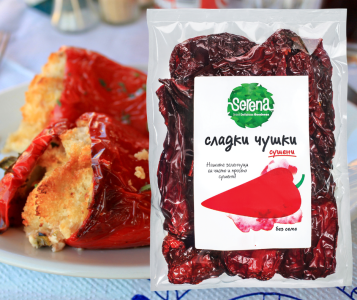
Dried peppers are a traditional staple of Bulgarian cuisine, enjoyed for generations. They impart a unique aroma and flavor to various dishes, but beyond their culinary appeal, they also serve as a valuable component of a varied diet.
The drying process allows peppers to be stored for long periods without completely losing their nutritional value. They offer a convenient way to include vegetables in our diet during the winter months.
What do dried peppers contain?
During drying, much of the water content in fresh peppers is removed. This concentrates nutrients and natural plant compounds into a smaller volume.
Dried peppers can provide:
vitamins and minerals;
plant-based antioxidants;
carotenoids;
fiber;
natural plant pigments;
aromatic compounds that provide their characteristic flavor.
The specific nutrient content depends on the pepper variety, the drying method, and storage conditions.
1. A source of antioxidants
Peppers contain various antioxidant compounds, including carotenoids and vitamin C. Some vitamin C may be lost during drying, especially if the process is prolonged or carried out at high temperatures.
At the same time, certain plant pigments and carotenoids remain in the product, contributing to its nutritional value.
Antioxidants are an important part of a balanced diet, as they help the body protect itself against oxidative stress. 2. They contribute to fiber intake
Dried peppers contain dietary fiber. Fiber is an important part of the daily diet and supports the normal functioning of the digestive system.
Since water is removed during the drying process, nutrients and fiber are present in a more concentrated form. Consequently, dried peppers are typically used in small quantities as an ingredient in dishes.
3. They are suitable for the winter menu
One of the major advantages of dried peppers is their long shelf life when stored correctly.
In winter, when fresh seasonal vegetables are less available, dried peppers offer a practical way to add variety to the menu.
They are particularly popular in traditional Bulgarian cuisine and can be used to prepare a wide range of meat and meat-free dishes.
4. They add rich flavor and aroma
Drying alters the flavor profile of peppers and intensifies their aroma. This is precisely what makes them such a valuable ingredient in home cooking.
Dried peppers can be added to:
beans and lentils;
stuffed dried peppers;
various stews;
meat-free dishes;
soups;
rice with vegetables;
meat dishes;
traditional winter recipes;
spreads and pâtés.
Soaking them in warm water beforehand softens them, making them easier to use in recipes.
5. A wonderful ingredient for traditional Bulgarian recipes
Dried peppers are an integral part of many traditional Bulgarian dishes. They are particularly popular in winter, when they are used to make dried peppers stuffed with beans, rice, or other fillings.
Their distinctive aroma is hard to replicate with fresh peppers, making them a hallmark ingredient of traditional Bulgarian home cooking.
6. They are easy to store
Properly dried peppers can be stored for a long time if kept away from moisture, heat, and direct sunlight.
It is best to keep them in a cool, dry place inside a tightly sealed container or suitable packaging. They should not be consumed if they show signs of moisture, an unpleasant odor, or mold.
Dried peppers or fresh peppers?
Both products have their advantages. Fresh peppers contain a high water content and generally provide more Vitamin C. During the drying process, the water is removed, resulting in a more concentrated product.
Therefore, dried peppers need not replace fresh vegetables; rather, they make a wonderful addition to a varied diet, especially during the winter months.
How to use dried peppers?
Before use, dried peppers are typically soaked in warm water for about 20–30 minutes, or until they soften. Afterward, they can be stuffed, chopped, or added to a dish according to the recipe.
The soaking water can sometimes be used in cooking, provided the peppers were thoroughly cleaned and the water has a pleasant aroma and taste.
Moderation is key
Dried peppers are a concentrated product and are usually consumed in relatively small quantities. Furthermore, some dried peppers can be quite hot.
For individuals with sensitive stomachs or an intolerance to spicy foods, hot varieties may cause discomfort. Therefore, the quantity used should be adjusted according to individual tolerance.
Conclusion
Dried peppers are a delicious and practical traditional food that deserves a place in the home kitchen. They have a long shelf life, impart a rich flavor to dishes, and contain fiber as well as various plant compounds.
Their greatest advantage is that they allow us to enjoy the taste of peppers even during the winter. When part of a varied diet, dried peppers can be an excellent ingredient for many homemade recipes.
Post comment