




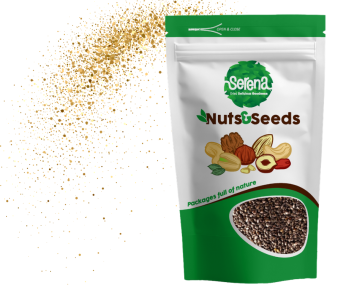
Chia seeds have become a popular part of modern healthy eating and for good reason. Although small in size, they contain valuable nutrients and can be easily included in the daily menu. They are suitable for breakfast, desserts, smoothies, salads and various homemade recipes.
What do chia seeds contain?
Chia seeds are a natural source of fiber, vegetable protein, omega-3 fatty acids, calcium, magnesium, phosphorus and antioxidants. Thanks to their rich nutritional composition, they can be part of a balanced and varied diet.
Particularly valuable is the fiber content, which contributes to the normal functioning of the digestive system and the feeling of satiety.
1. Chia is rich in fiber
One of the most well-known benefits of consuming chia is its high content of dietary fiber. When in contact with liquid, the seeds form a gel-like structure, which is due to the soluble fiber in them.
Fiber is an important part of a balanced diet and supports the normal function of the digestive system. Gradually increasing fiber intake, along with sufficient fluids, is a good approach for better tolerance.
2. Source of plant-based omega-3 fatty acids
Chia seeds are among the plant foods rich in alpha-linolenic acid (ALA), a type of omega-3 fatty acid.
Omega-3 fats are an important part of a balanced diet and are involved in normal body functions. This makes chia an interesting choice for people who include more plant-based foods in their diet.
3. Contributes to the feeling of satiety
The combination of fiber, protein and fat in chia can contribute to a longer feeling of satiety. That is why the seeds are often added to snacks, oatmeal, yogurt and smoothies.
Chia can be a practical addition to the menu when striving for a more balanced diet, but in itself it is not a means of losing weight.
4. Contains valuable minerals
Chia seeds provide a number of minerals, including calcium, magnesium and phosphorus. These nutrients play an important role in the normal functioning of the body.
Regularly including a variety of seeds, nuts, fruits, vegetables and whole grains is an easy way to enrich the nutritional profile of the menu.
5. Rich in antioxidants
Chia contains various antioxidant compounds that help protect cells from oxidative stress.
Antioxidants occur naturally in many plant foods, so chia can be part of a varied menu rich in fruits, vegetables, nuts and seeds.
6. Easy to include in the daily menu
One of the great advantages of chia is that it does not require complicated preparation. The seeds can be added to:
oatmeal and granola;
yogurt;
smoothies;
fruit bowls;
homemade desserts;
chia pudding;
salads;
homemade energy bars;
baked goods and cookies.
They have a relatively neutral taste and are easy to combine with both sweet and savory products.
How to consume chia?
Chia seeds can be consumed whole, but when soaked in liquid, they absorb a significant amount of water and form a characteristic gel.
A popular option is chia pudding - the seeds are mixed with milk or a plant-based drink and left in the refrigerator for a few hours. Fresh or dried fruits, nuts and honey can then be added.
It is important to drink enough fluids when increasing your intake of chia and other fiber-rich foods.
How much chia should you consume?
You don't need a large amount to add chia to your diet. To start, you can use about 1 tablespoon per day, gradually increasing the amount according to individual tolerance and the rest of your diet.
As with any fiber-rich food, eating too much at once can cause bloating or discomfort in some people.
Chia – a small seed with big potential
Chia seeds are a practical and nutritionally valuable addition to a varied diet. They provide fiber, plant-based protein, omega-3 fatty acids, minerals, and antioxidant compounds.
The best way to benefit from their benefits is to include them in moderation and regularly in a balanced diet. Whether you add them to your morning breakfast, make a creamy chia pudding, or use them in a homemade dessert, these little seeds are an easy way to diversify your daily menu.
Post comment