




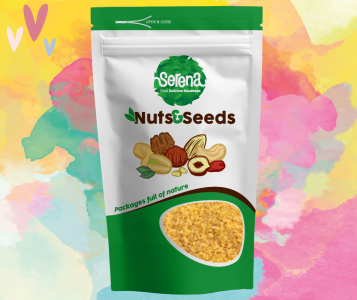
Bulgur – why should we include it in our daily diet?
Bulgur is one of those foods that combines good nutritional value, easy preparation and pleasant taste. It is obtained from pre-cooked, dried and crushed wheat and is a traditional ingredient in Middle Eastern and Mediterranean cuisines. Thanks to its fiber, vitamin and mineral content, bulgur can be a great part of a varied and balanced menu.
1. It is rich in fiber
Bulgur is a good source of dietary fiber. They contribute to the normal functioning of the digestive system and promote a feeling of satiety after a meal.
Regularly including foods rich in fiber is an important part of a balanced diet. Bulgur can easily replace white rice or other refined side dishes.
2. It is suitable for a balanced diet
Bulgur contains complex carbohydrates that provide energy and make it a practical choice for breakfast, lunch or dinner. In combination with vegetables, legumes, meat, fish or dairy products, it can become the basis of a complete meal.
3. Contains valuable vitamins and minerals
Various nutrients are found in bulgur, including magnesium, iron, phosphorus, manganese and B vitamins. They are involved in a number of normal processes in the body, including energy production and the normal functioning of the nervous system.
4. Helps to feel full for longer
Thanks to the combination of complex carbohydrates and fiber, bulgur is a filling food. This makes it a suitable choice for people who want to build more balanced meals and limit frequent snacking between main meals.
5. Easy and quick to prepare
One of the great advantages of bulgur is that it does not require complicated cooking. Depending on the type, it is often enough to pour hot water or broth and let it stand for a short time.
This makes it a convenient ingredient for quick homemade meals, especially when cooking time is limited.
6. A great alternative to rice and pasta
Bulgur can diversify the menu and replace rice, couscous or pasta in many recipes. It has a light nutty flavor and a pleasant texture that goes well with both vegetables and meat and legumes.
It can be used to prepare salads, side dishes, stuffed vegetables, meatballs, vegetable bowls and many other dishes.
7. It is suitable for salads and cold dishes
Bulgur is especially popular as a base for fresh salads. It can be combined with tomatoes, cucumbers, parsley, mint, lemon juice and olive oil for a fragrant and satisfying dish.
It is also a great base for so-called "bowl" dishes, which combine grains, vegetables, a source of protein and healthy fats.
8. Easily combined with different foods
Bulgur has a neutral, slightly nutty flavor, which makes it very versatile. It can be combined with:
roasted or fresh vegetables;
chicken, turkey and other meats;
fish;
chickpeas, lentils and beans;
cheese and other dairy products;
nuts and seeds;
fresh and dried fruits.
Thus, with one main ingredient, many different and varied recipes can be created.
How to include bulgur in your menu?
Bulgur can be present on the menu as a side dish to a main dish, as a base for a salad or as an ingredient in vegetable and meat recipes. For a more balanced diet, it is good to combine it with enough vegetables and a suitable source of protein.
It is important to keep in mind that bulgur is made from wheat and contains gluten, which is why it is not suitable for people with celiac disease or proven gluten intolerance.
Conclusion
Bulgur is a nutritious and versatile grain that can easily find a place in the modern menu. Its content of fiber, complex carbohydrates, vitamins and minerals makes it a good basis for diverse and balanced meals.
Whether you use it in a fresh salad, as a side dish or in a warm main course, bulgur is an easy way to bring more variety to your daily diet.
Post comment